


KTM fight back against ‘Dieselgate-style’ European enduro emissions probe
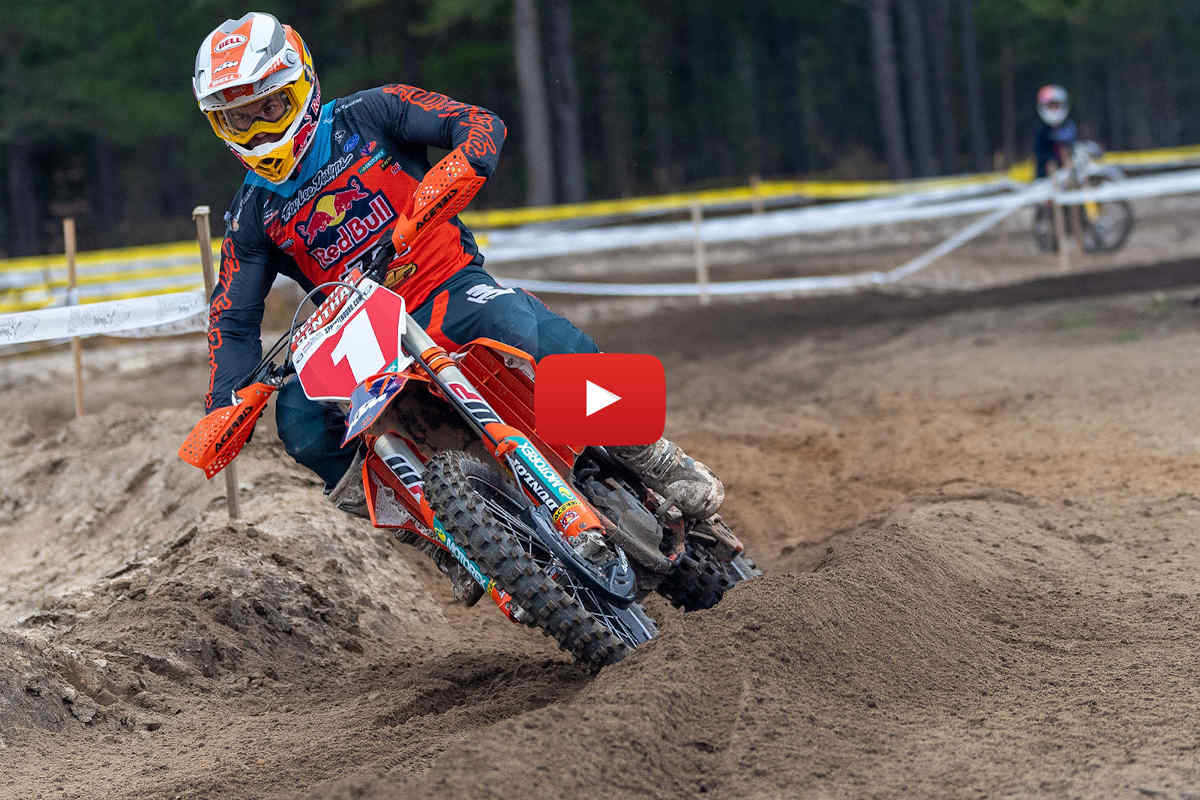
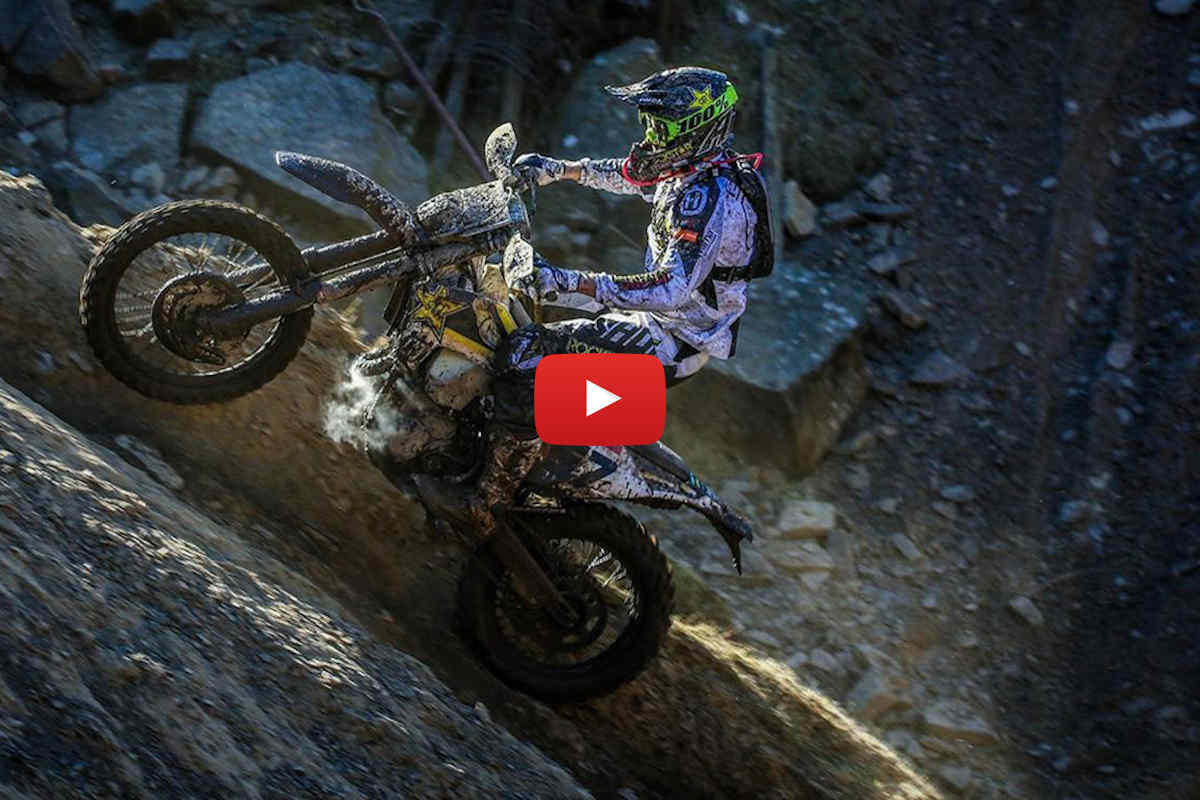
The sale of competition-ready enduro bikes as we know it is under fire after a green-leaning investigation has left KTM at the centre of a widespread emissions controversy – though the Ready to Race brand firmly denies any wrongdoing, suggesting the allegations are all part of a “fundamental misunderstanding.”
The condemnation of Europe's largest motorcycle producer comes at the conclusion of an investigation led by Climate Whistleblowers (CW) involving a consortium of European media outlets, including Le Monde, Der Spiegel, El País, and DeSmog.
Published under the title Unrestricted, the group alleges that KTM-backed dealerships across seven countries routinely derestrict enduro machines as a matter of course before bikes reach customers, by disconnecting emissions-control equipment, altering engine settings, and fitting full-power maps to bikes shortly after delivery from the factory.
KTM’s off-road-only motocross line-up is unaffected by the allegations; it is solely the dual-purpose nature of the firm’s enduro range that has thrown the bureaucratic spanner in the works.
Team Orange hit back
The Austrian marque firmly rejects the allegations. In a statement, a spokesperson for KTM said: “The Group sells its motorcycles exclusively in compliance with applicable European regulations.
“At their core, enduro models are sports machines that, in their homologated delivery condition, are also permitted to be ridden on public roads,” KTM said.
“This dual-use capability is intentional, necessary, and standard across the industry.”
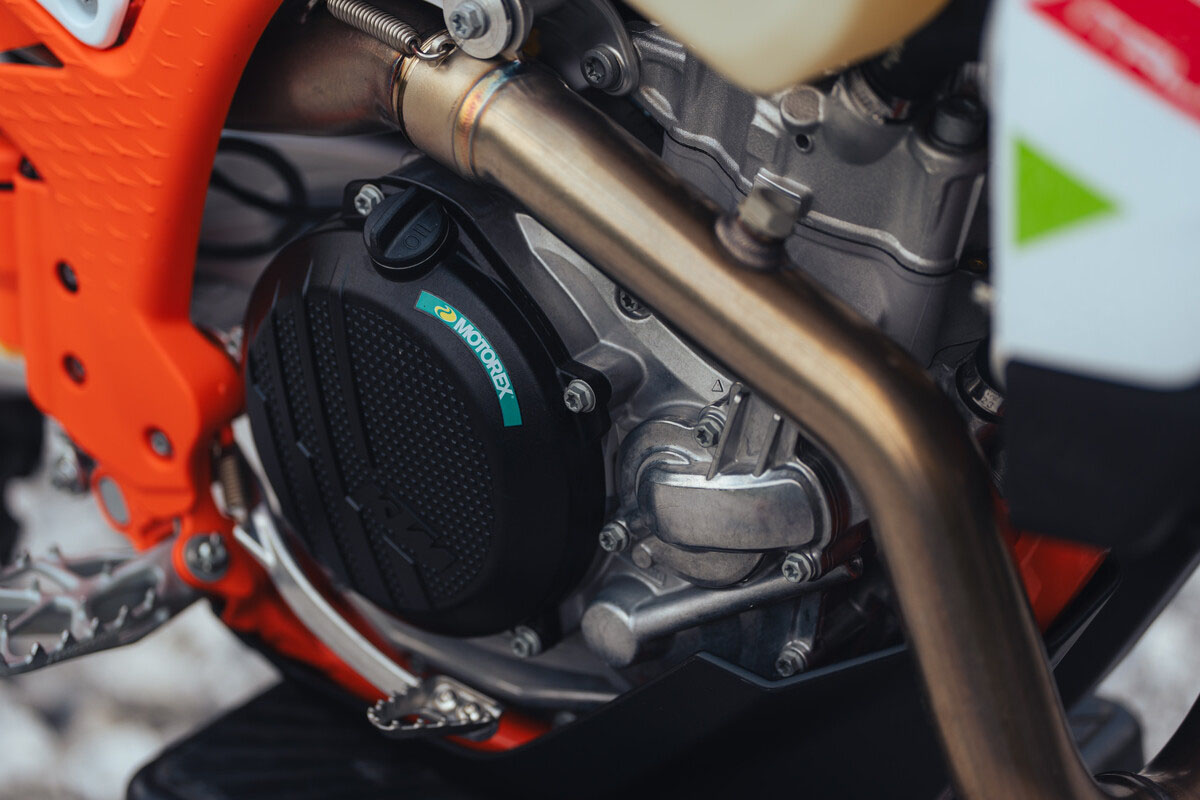
The brand maintains that all KTM, Husqvarna and GASGAS enduro models leave the factory in fully homologated, road-legal condition and that any conversion for competition use takes place only after purchase and at the customer's request.
“Buyers of our enduro machines are expressly informed that road approval expires upon conversion for competition use, and that the vehicle may no longer be used on public roads,” the statement continued.
Even if the allegations are to be taken seriously, KTM point out that: “According to the German Federal Environment Agency, motorcycles account for approximately 0.3% of total CO₂ emissions in Germany [...] Enduro competition models represent only a small fraction of this.”
Allegations in detail
Undercover recordings reportedly obtained during the investigation suggest staff in several countries described selling ‘full-power’ derestricted bikes while still supplying paperwork indicating the machines are road legal.
According to the report, an uncorked 300 EXC, said to have been independently tested, was found to be 10 times more polluting and twice as loud as EU limits allow.
Climate Whistleblowers argue the practice amounts to a widespread circumvention of international regulations, and from the off, the investigation sets out to portray the practice as evidence of a “systematic derestriction [scandal] with serious consequences for public health and the climate,” drawing comparisons to Volkswagen’s Dieselgate PR nightmare.
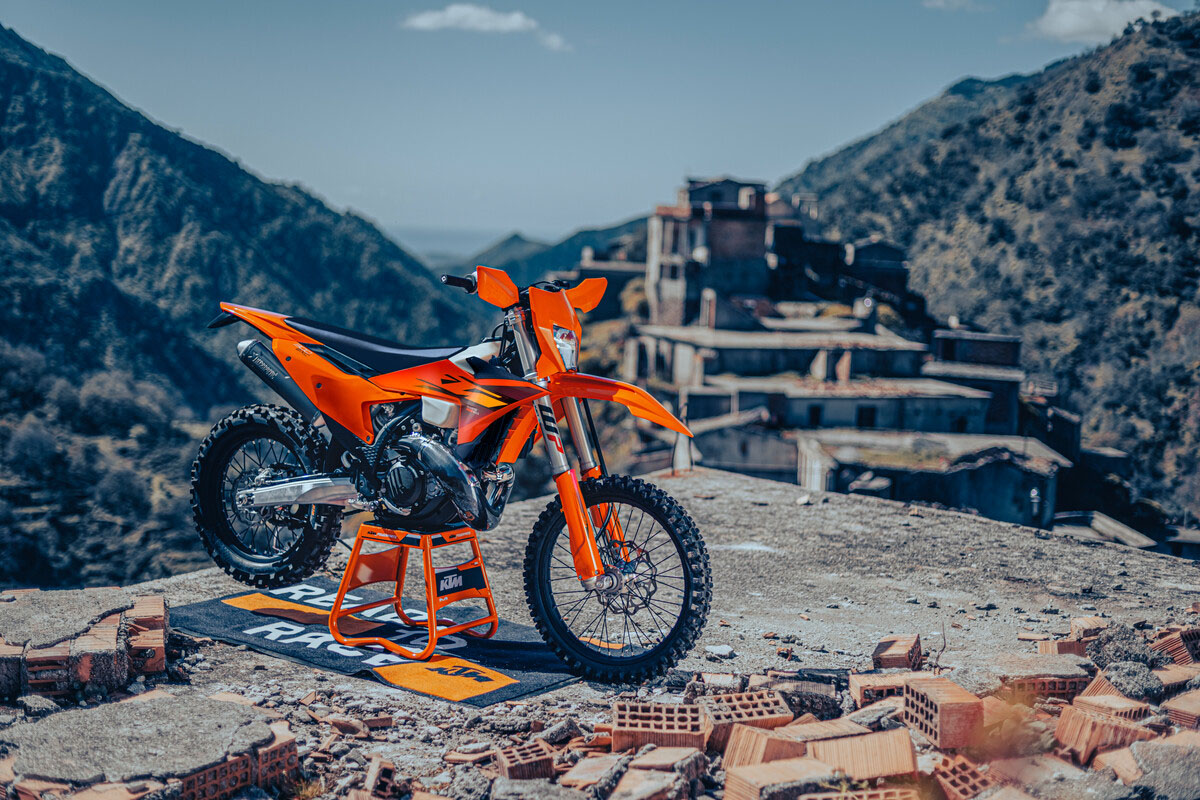
Considered in the context of the figures cited by the report itself, however, the overall scale of the issue remains marginal – even if the report is to be believed. Industry experts consulted by the investigators estimated KTM may sell up to 10,000 ‘derestricted’ motorcycles annually across Europe.
According to figures supplied by motorcycle data specialists MCD, that equates to just 0.59% of all two-wheelers sold across the continent last year.
Viewed against the wider transport sector, the figure becomes smaller still. Measured against annual passenger vehicle sales across Europe, the estimated number of potentially non-conforming KTMs represents around 0.08% of the powered transport sector, a drop in the ocean, in other words, especially when factoring in the minuscule mileage most enduro bikes cover throughout their lifecycle.
Resurrecting old ghosts
US readers in particular may well recall similar finger-pointing levelled at Harley-Davidson in 2016, during which the Bar and Shield brand found itself in regulators' crosshairs over its Screamin' Eagle Pro Super Tuner – an aftermarket device alleged to increase emissions beyond permitted levels.
Harley-Davidson denied any wrongdoing at the time, arguing the tuners were intended for competition use only. However, the ensuing fallout left the Milwaukee brand with a $12 million court-ordered charge to pay.
What the news means for you?
For riders and the industry as a whole, the regulatory crackdowns that could ensue from the case could range from insignificant to severe. Perhaps most likely, however, is simply a bolstering of the existing rules – e.g. customers can still opt to have their road-legal bike derestricted but must be made aware that, in doing so, riding on the blacktop would be very naughty behaviour indeed.
It seems highly unlikely, given the competition-focused nature of KTM’s EXC and EXC-F range, that the supply of OEM ‘uncorking’ kits would be outlawed in a similar manner to the Harley-Davidson case mentioned above.
Of course, this is hardly the first time our sport has come under scrutiny, and most involved in the scene will be all too familiar with headaches caused by those who’d rather not see motorbikes ridden off-road, or for any kind of recreation – and there’s a full rostrum of nagging excuses to pick from for such folks.
So, does this mean that we'll all be forced to scoot around on choked-up machines so feeble they'd struggle to pull the skin off a rice custard? Probably not. While the findings have attracted plenty of attention, it remains far too early to know what action regulators may ultimately take, if any.
Credit photos: KTM Images